Becoming a VB Blind Dealer: What the Partnership Looks Like
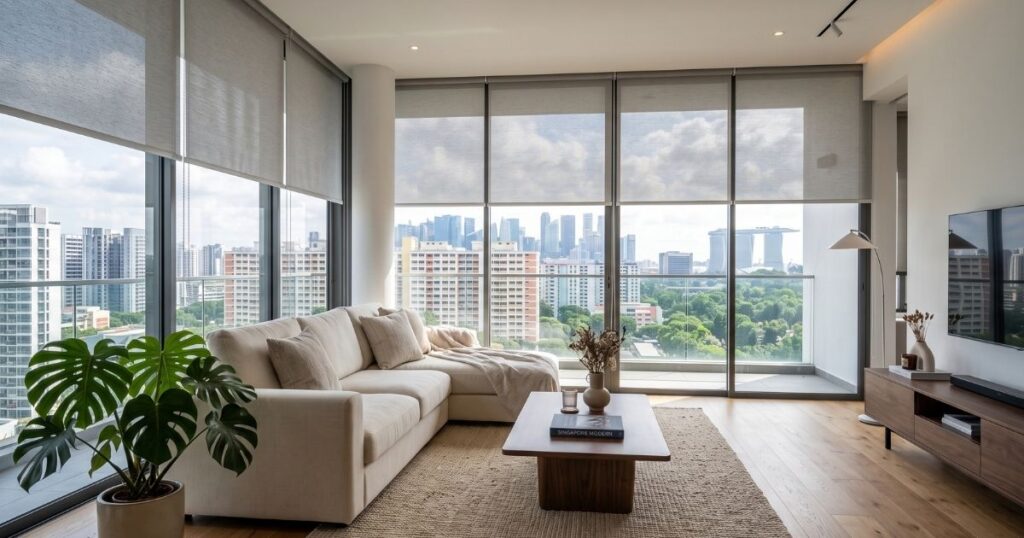
Window blinds dealer Singapore is a phrase many businesses search for when looking for a trusted manufacturer and long-term trade partner. Homeowners don’t buy blinds off a shelf and walk away — they invite someone into their homes, describe their lifestyle, and expect a product that gets the light, privacy, and finish exactly right. That’s the business we’ve built our dealer network around, and it’s why partnering with us looks a little different from a standard supplier arrangement.
If you’re an interior design firm, hardware retailer, or window furnishing specialist considering a dealership, here’s an honest look at what the partnership actually involves — no vague promises, just the structure, the support, and what we expect in return.
Why Businesses Partner With Us
Every dealer relationship starts with the same question: can I trust this brand with my client’s home? A few things we point to when answering that:
- 20 years of experience fitting blinds, curtains, and window solutions across HDB flats, condominiums, and landed properties in Singapore.
- A product range engineered for local conditions — humidity, heat, and the tight tolerances of Singapore-sized windows and BTO layouts.
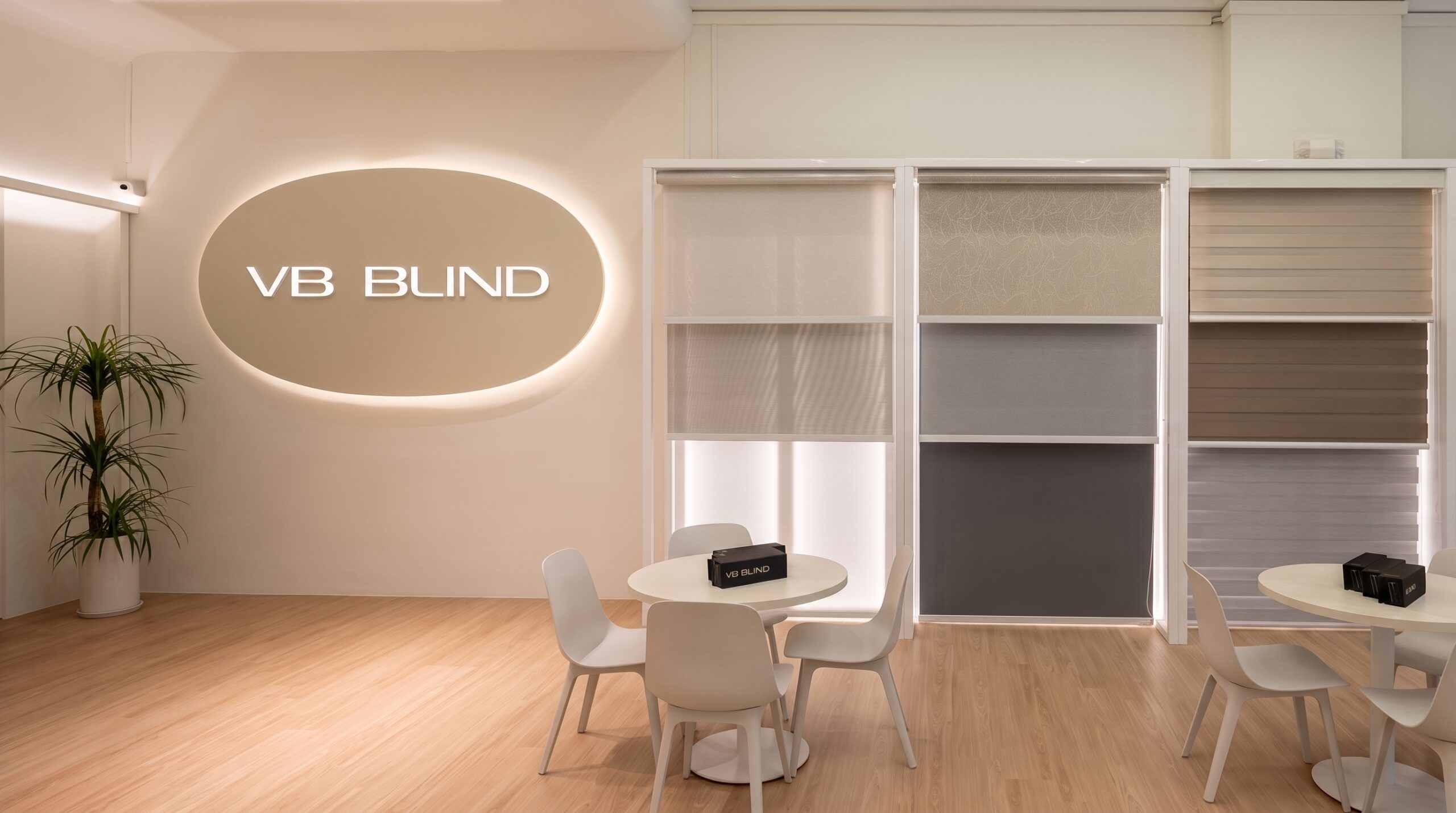
We’d rather you verify these claims yourself than take our word for it — ask to see completed projects, speak with existing dealers, or visit our showroom before signing anything. A partnership built on inspection, not persuasion, tends to last longer.
What the Partnership Actually Includes

A dealership isn’t just a discount code and a product catalogue. Here’s what’s built into it:
1. Trade Pricing & Product Access
Dealers get access to trade-tier pricing across our full range, along with priority stock allocation during peak renovation seasons (a real pain point if you’ve ever had a client waiting on curtain tracks during a BTO key collection rush).
2. Product & Installation Training
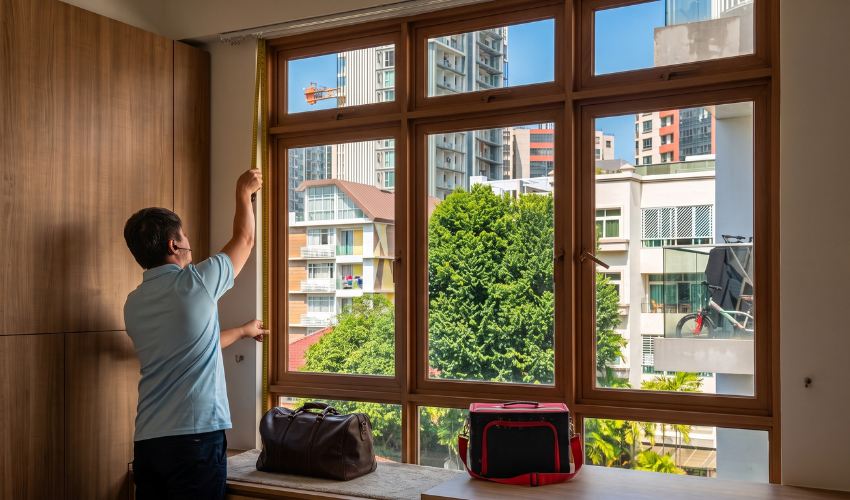
Before you’re quoting jobs, our team walks your staff through material specifications, measurement techniques, and common installation pitfalls specific to Singapore window types — bay windows, casement frames, sliding doors, and everything in between.
3. Marketing & Sales Support
This includes co-branded materials, product photography, and onsite support.
4. After-Sales & Warranty Backing
When a client has a warranty claim, you’re not left resolving it alone. Our after-sales team supports dealers directly so you’re not the sole point of failure on a product issue.
5. A Dedicated Account Contact
Instead of routing through a general enquiries line, dealers get a single point of contact for stock questions, order issues, and escalations.
Who Makes a Good Dealer Partner
We’re not looking to sign anyone with a shopfront. The partnerships that work well tend to share a few traits:
- Interior design firms who want a reliable window furnishing supplier they can quote confidently without chasing lead times.
- Hardware or home furnishing retailers looking to add a specialised, higher-margin product line.
- Independent window furnishing specialists ready to formalise a supply relationship rather than buying ad hoc.
If that sounds like your business, the next section covers how the process actually works.
How the Onboarding Process Works
- Initial Enquiry — Submit your business details and a short note on your current client base and project volume.
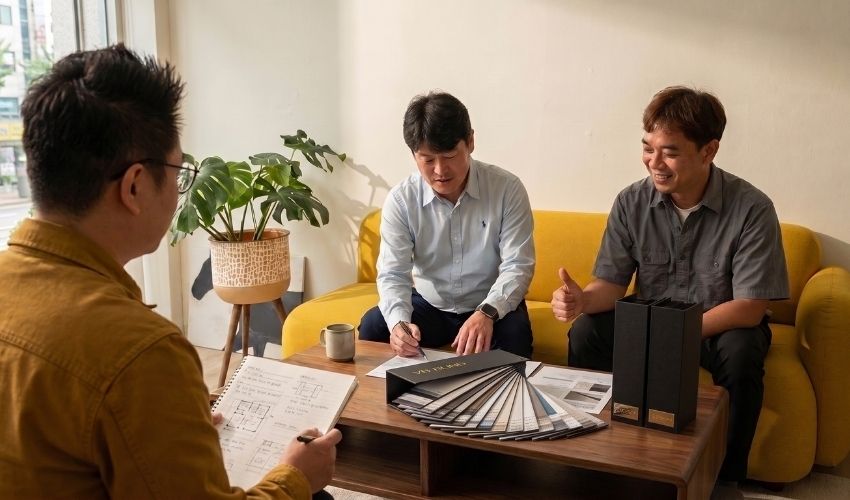
- Discovery Call — A conversation to understand your business, not a sales pitch. We’ll also be upfront about whether we’re the right fit for you.
- Site or Showroom Visit — See the product range and finishes in person before committing.
- Agreement & Pricing Setup — Trade terms, pricing tiers, and account setup.
- Training Session — Product and installation training for your team.
- Go Live — Start quoting with trade pricing and support behind you.
Most dealers are fully onboarded within 1-2 weeks of the initial enquiry.
What We Ask of Our Dealers
To keep this fair and transparent: we expect dealers to represent the brand accurately, maintain the installation standards covered in training, and communicate honestly with clients about lead times and product limitations. We’re not chasing volume for its own sake — we’d rather have fewer dealers doing it right than a large network cutting corners.
Is This Partnership Right for Your Business?
If you’re weighing this up, it’s worth asking yourself a few honest questions: Does your current client base actually need a dedicated window furnishing supplier, or would this stretch your team thin? Can you commit to the training and installation standards we’ve outlined? And does trade pricing meaningfully improve your margins on the volume you’re doing?
If the answers point in the right direction, we’d like to hear from you.