Good Quality Blinds Singapore Homeowners Can Trust: A 7-Point Buyer’s Checklist
Good quality blinds Singapore homeowners can rely on don’t reveal themselves in the showroom — they reveal themselves three monsoon seasons later. You’ve probably stood in a showroom, run your fingers across a fabric sample, and thought: this looks fine. Six months later, in a Singapore living room that swings between blasting air-con and open-window humidity, that same blind is warping at the edges, the chain mechanism sticks, and the fabric has started to yellow near the window frame.
The uncomfortable truth is that most blinds look identical on day one. The differences only show up after a few monsoon seasons, a few years of tropical sun, and daily use. So the real question isn’t “which blind looks best in the showroom” — it’s “which blind is actually built to hold up in a Singapore home.”
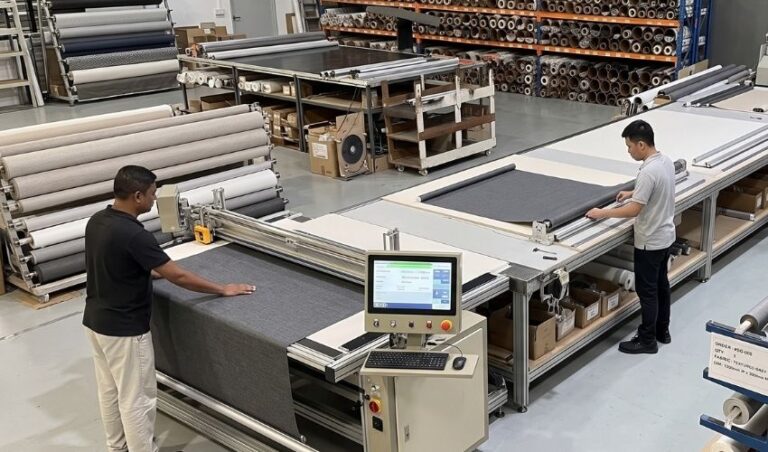
We manufacture blinds for a living, which means we spend our days looking at fabric rolls, gear mechanisms, and headrail components most homeowners never see. This guide translates that behind-the-scenes knowledge into a checklist you can actually use before you buy — no manufacturing background required.
Good Quality Blinds Singapore Homes Actually Need
Singapore’s climate is genuinely tough on window furnishings. Homes cycle between strong direct sun and air-conditioned interiors, humidity sits high year-round, and many units face west or get long hours of unfiltered light. Blinds here are working harder than blinds almost anywhere else in the region.
That means the fabric, coating, and hardware choices that barely matter in a temperate climate can make or break a blind’s lifespan here. A blind that would last a decade in a drier, cooler climate might fade, warp, or seize up within two years in a humid, sun-exposed Singapore unit if it wasn’t built with that environment in mind.
This is where a lot of buyers get caught out — not because they chose badly on style, but because nobody told them what to check before the sale, only after the complaint.
The Fabric Test: What Separates Durable Blinds From Ones That Fade in a Year
Fabric is the single biggest factor in how long a blind actually lasts, and it’s also the easiest thing for a showroom to gloss over. Here’s what actually matters when you’re comparing fabric quality for blinds in Singapore conditions:
- UV and fade resistance. Ask specifically how the fabric is treated against sun exposure, not just whether it’s “UV resistant” — that phrase alone doesn’t tell you much. A better question: what’s the expected colour-fastness under direct sun exposure, and is there any documentation behind that claim?
- Coating quality (for PVC-coated or blackout fabrics). Cheaper coatings crack, peel, or develop a tacky texture over time, especially in humidity. Run your hand across the back of the fabric — a well-bonded coating should feel smooth and even, not brittle or sticky.
- Weight and weave density. Lightweight, loosely woven fabric is cheaper to produce, but it sags, stretches unevenly, and shows light-gapping sooner. A denser, properly tensioned weave holds its shape far longer.
- Moisture and humidity resistance. In Singapore’s humidity, this isn’t optional — it’s especially important for bathrooms and other high-moisture areas. PVC-coated blackout fabric, for example, is moisture-resistant and easier to maintain than untreated fabric, which is why it’s the more suitable choice for wet or humid spaces. If a blind is going in a bathroom or near a balcony door, ask directly whether the fabric is rated for that kind of exposure.
If a salesperson can’t answer these questions with specifics — only “it’s good quality, don’t worry” — that’s a signal worth noting.
How Blinds Are Actually Made (And Why It Matters to You)
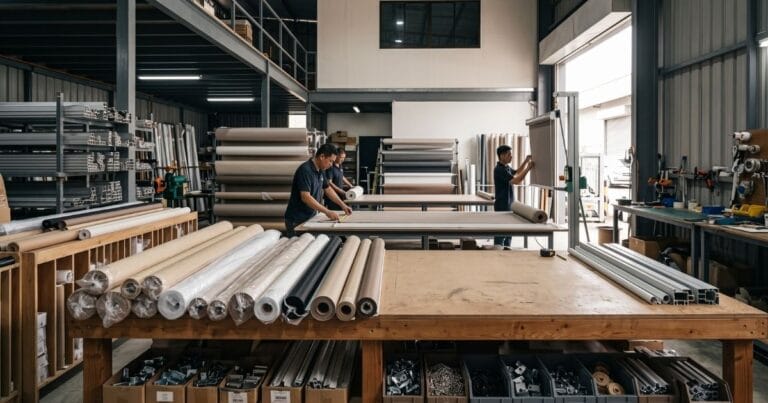
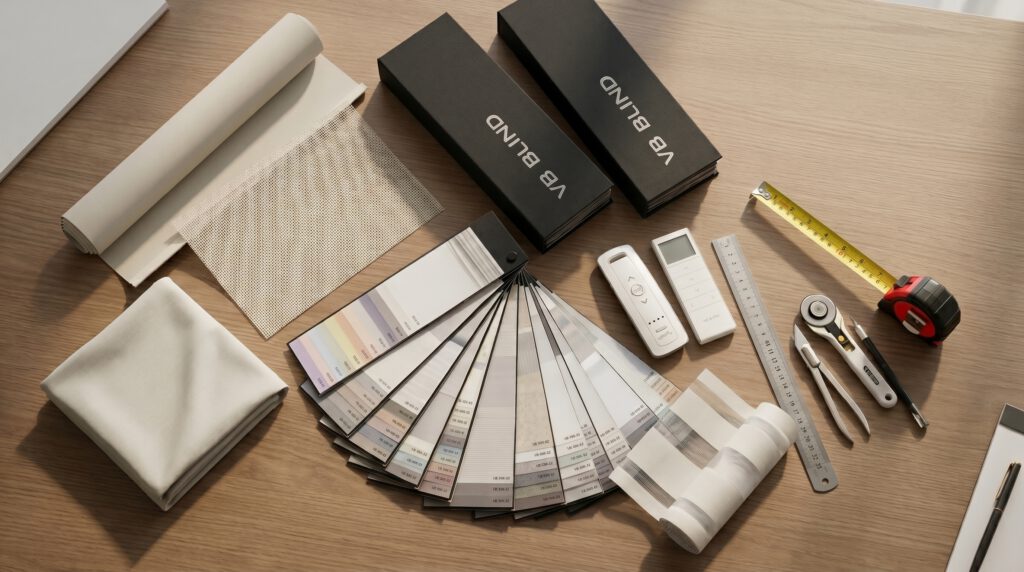
Most blind retailers in Singapore are reselling products made by someone else — which isn’t inherently a problem, but it does mean they often can’t tell you much about construction beyond what’s on the spec sheet. Because we manufacture our own blinds, this is the part we can actually walk you through with confidence, rather than repeat from a supplier’s brochure.
A handful of construction details separate a blind that stays smooth and true for years from one that starts misbehaving within months:
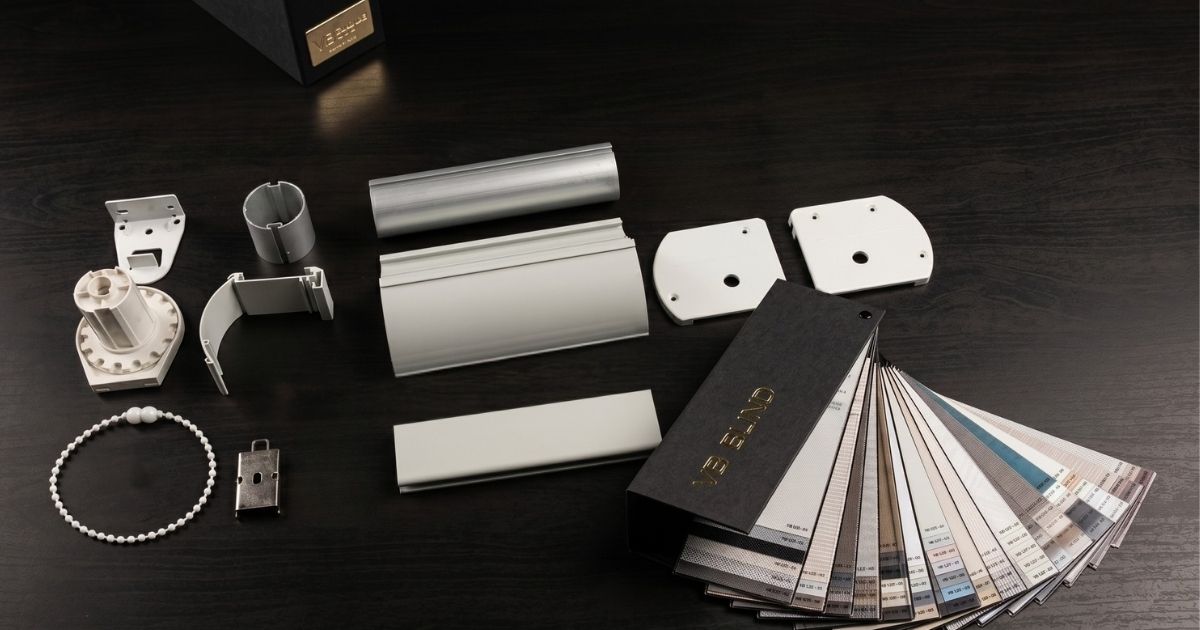
- Headrail and bracket material. Aluminium components resist warping and corrosion far better than plastic ones, especially in humid or coastal-facing units. Plastic brackets are a common place manufacturers cut cost — and a common place blinds fail first.
- Chain and gear mechanism quality. A smooth, consistent pull with no grinding or slack usually points to a properly machined gear box. A mechanism that feels gritty or uneven in the showroom will likely get worse, not better, with daily use.
- Precision of cut and hem. Blinds are made to the millimetre for a reason — a fabric panel that’s even slightly off-square will hang crooked, and hems that are hand-finished unevenly tend to fray or pucker over time. Straight, even stitching along the hem and side seams is a simple visual check anyone can do.
- Bottom rail weighting. A properly weighted bottom rail keeps the blind hanging flat against the window instead of billowing or swinging with every air-con draft — small detail, big difference in daily use.
None of this requires you to understand manufacturing — it just means asking “how is this actually put together?” instead of only “how does it look?”
The 7-Point Quality Checklist Before You Buy
Bring this list with you to any showroom, whichever brand you’re considering:
- Fabric feel test — run your hand across the fabric and coating; it should feel even, not brittle, sticky, or paper-thin.
- Ask about UV/fade performance — get a specific answer, not just a reassurance.
- Check bracket and headrail material — aluminium over plastic wherever possible.
- Test the chain or motor mechanism — it should move smoothly with no grinding, slack, or resistance.
- Inspect the hem and seams — straight, even, no visible puckering or loose threads.
- Ask about moisture resistance for wet areas — bathrooms, kitchens, and balcony doors need fabric that’s actually rated for humidity, like PVC-coated options, not just “should be fine.”
- Ask what the warranty actually covers — in Singapore, warranty terms vary by product and retailer, so get this confirmed in writing at the point of quote, not after installation. Ask specifically whether it covers fabric fading, mechanism failure, or only manufacturing defects — these are very different guarantees.
Red Flags: How to Spot Cheap Blinds in Singapore Showrooms
A few warning signs tend to show up together, and if you spot more than one, it’s worth asking harder questions:
- Fabric that feels noticeably thin or flimsy when held up to light
- A chain mechanism that already feels loose or gritty in the showroom, before it’s even been installed
- Vague answers about what the fabric is actually made of
- Pricing that seems unusually low compared to every other quote you’ve gotten for a similar size and style — quality components cost money, and a price that undercuts the market significantly is often cutting corners somewhere you can’t see yet
- No willingness to explain how or where the blinds are made
None of these on their own is disqualifying — but taken together, they’re worth a second look before you commit.
Durable Blinds for Singapore Homes, Built to Actually Last
The best blind for your home isn’t necessarily the most expensive one — it’s the one built with the right fabric, the right components, and the right construction for how hard Singapore’s climate actually works on window furnishings. Most of that isn’t visible on day one. It shows up two, three, five years down the line, which is exactly why it pays to check before you buy rather than after something goes wrong.
We’ve been manufacturing blinds in Singapore since 2006, and today VB Blind has fitted over 50,000 homes and businesses, covering more than 7 million sqft of windows across the island — which is exactly the kind of track record you should be asking any blinds manufacturer in Singapore about before you buy.
If you’d rather skip the guesswork, our team can walk you through fabric samples and construction details in person, and help you compare options against this exact checklist.
[Book a free consultation] or [visit our showroom] to see the difference for yourself.