Roller Blinds That Make Every Room More Comfortable
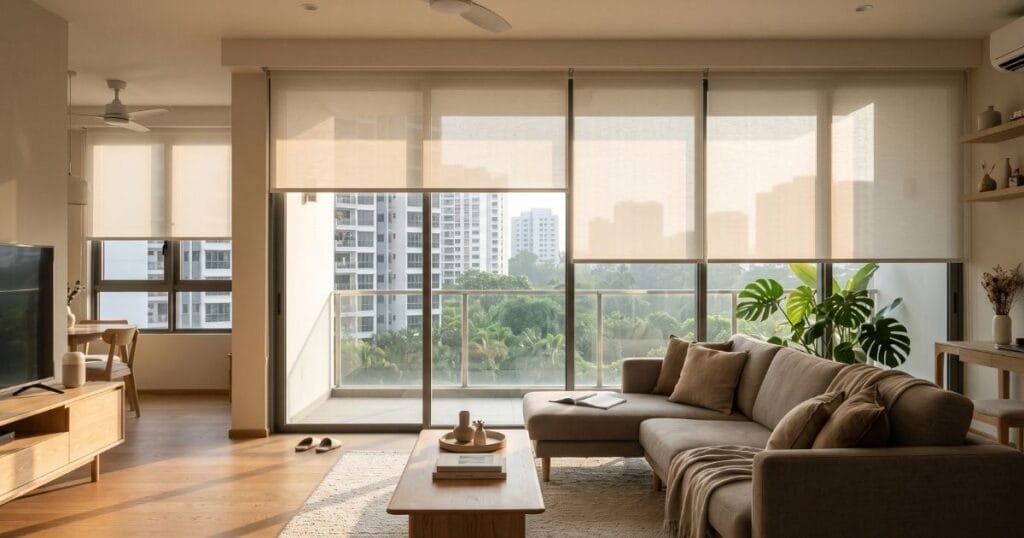
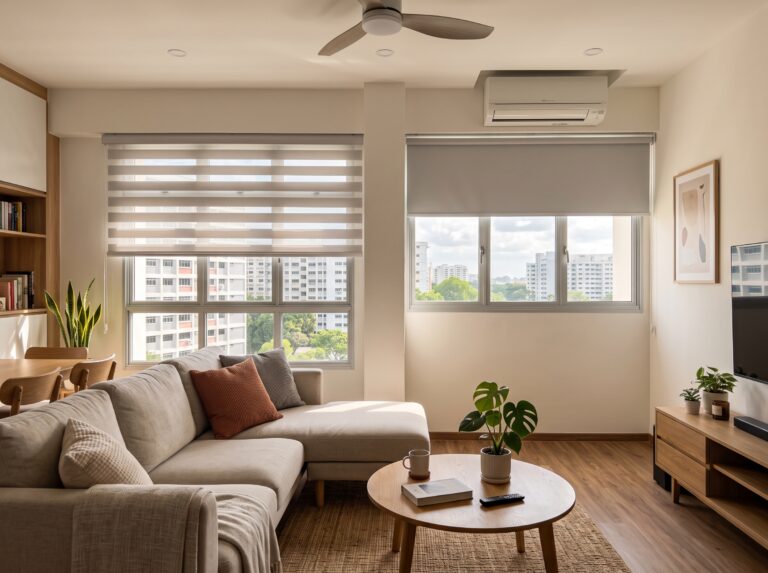
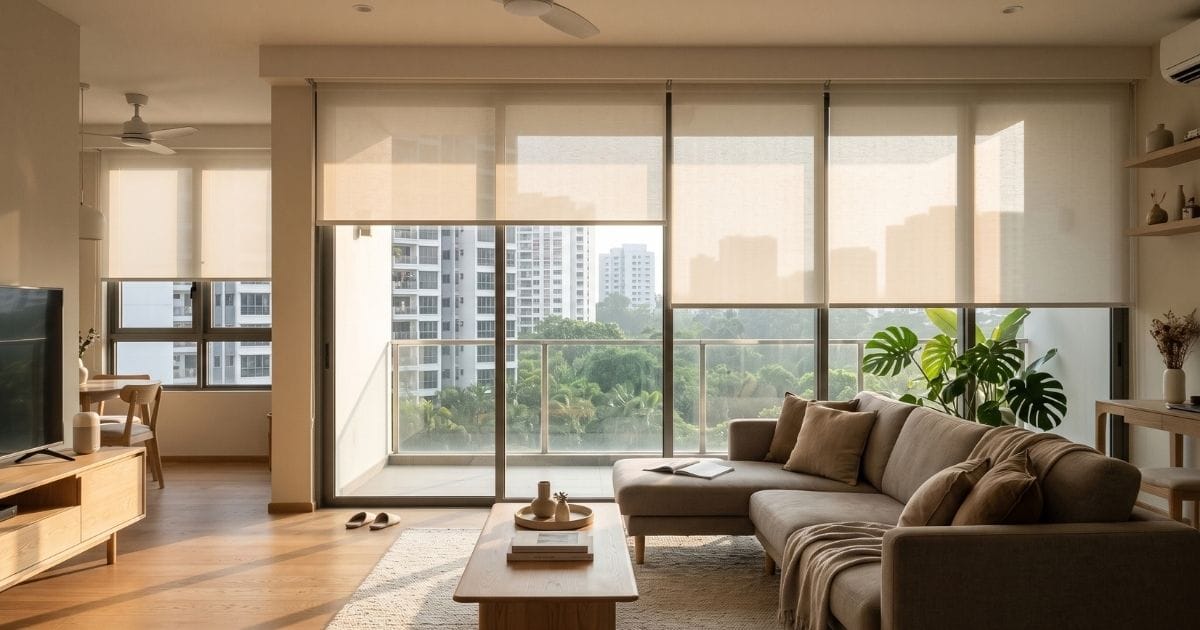
A large window can make a Singapore living room feel welcoming at 9 a.m. and uncomfortably warm by midafternoon. Roller blinds Singapore homeowners choose well can make that same space easier to live in, softening glare, improving privacy and giving you better control over daylight. Their clean profile also suits homes that prefer a calm, uncluttered finish.
For many homeowners, the appeal is not about making a dramatic design statement. It is about getting the daylight right. A well-chosen blind can let you work near a window without screen glare, help a child nap during the day, or make a dining area feel private after dark without closing the room off completely.
Why Roller Blinds Work Well in Singapore Homes
Roller blinds are built around a single piece of fabric that rolls neatly onto a tube at the top of the window. That straightforward design is part of their strength. When raised, they sit compactly above the glass. When lowered, they create a smooth, tailored surface with no stacking slats or bulky folds.
They work especially well where the window itself is a design feature. In an apartment with full-height glazing, a roller blind keeps the view available when it is open and provides practical cover when it is needed. In bedrooms, studies, kitchens, and offices, the same system can be adjusted to the level of control the room requires.
The best choice depends on how you use the space. A fabric that feels perfect in a living room may not be right for a bedroom, while a wide balcony opening may call for a different operating method than a small bathroom window. This is why made-to-measure sizing matters. The fabric, bracket placement, and finished width should be considered together, rather than treating the blind as an afterthought.
Choosing roller blinds by light and privacy needs
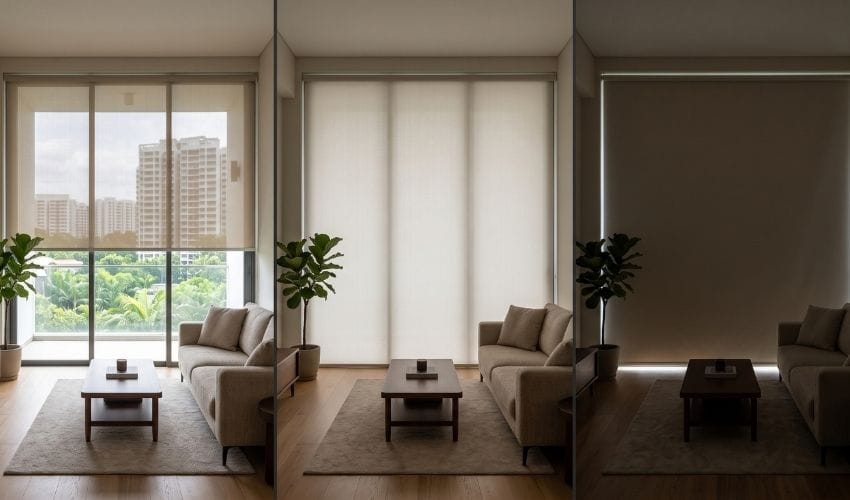
Fabric selection has the biggest effect on how a room feels. Rather than starting with color alone, begin with the light you want at different times of day.
Sunscreen fabrics for filtered daylight
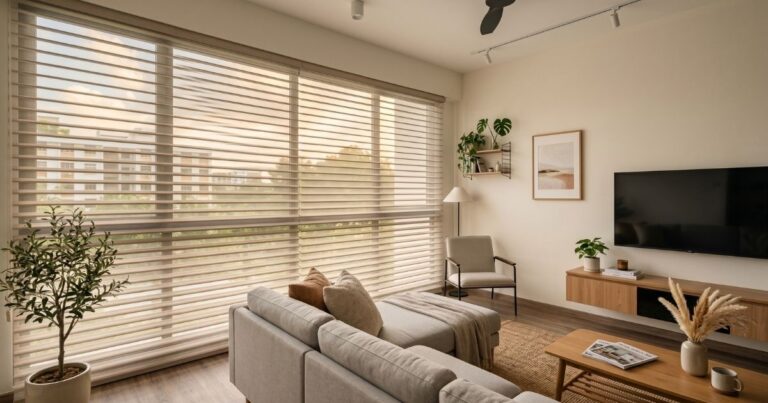
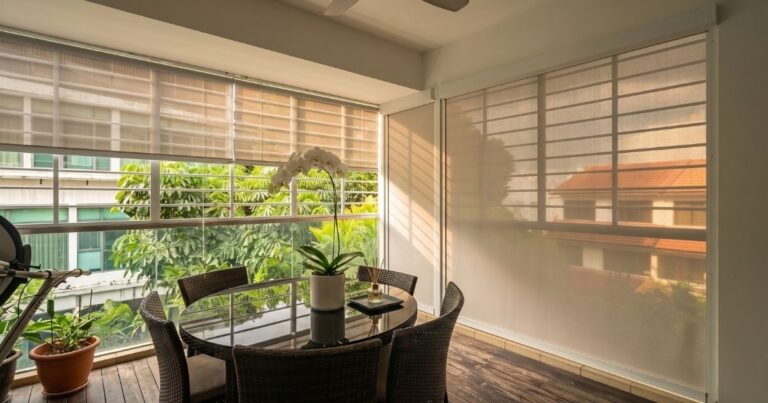
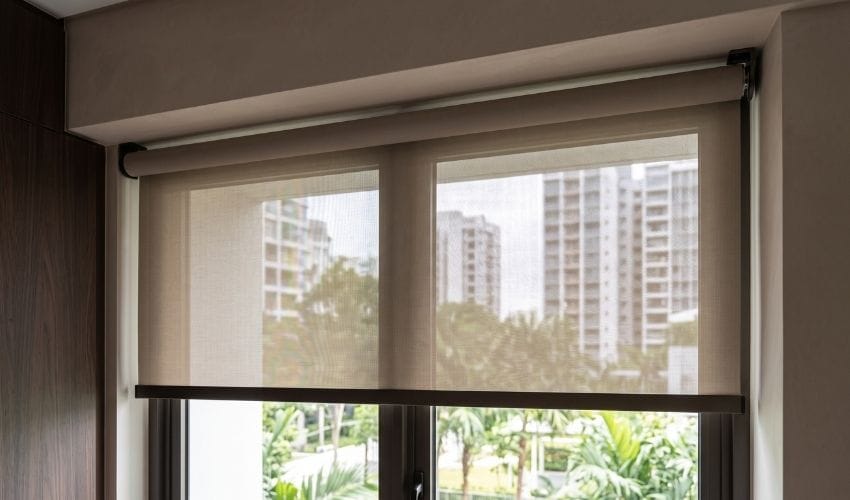
Sunscreen fabrics are designed to reduce glare and diffuse harsh sunlight while preserving some outward visibility during the day. They are often a good match for living rooms, home offices, and dining spaces where natural light is welcome but direct sun is not.
The openness of the weave affects the result. A more open fabric generally allows more view and daylight through, while a tighter weave gives greater shade and privacy. There is a trade-off: choosing the clearest daytime view can mean accepting less daytime privacy, particularly when homes are close together.
At night, interior lighting changes the balance. A sunscreen blind may limit views from outside, but it will not provide the same level of privacy as an opaque fabric when lights are on indoors. For a street-facing room or a condominium unit facing neighboring windows, this distinction is worth discussing before installation.
Dim-out fabrics for calmer rooms
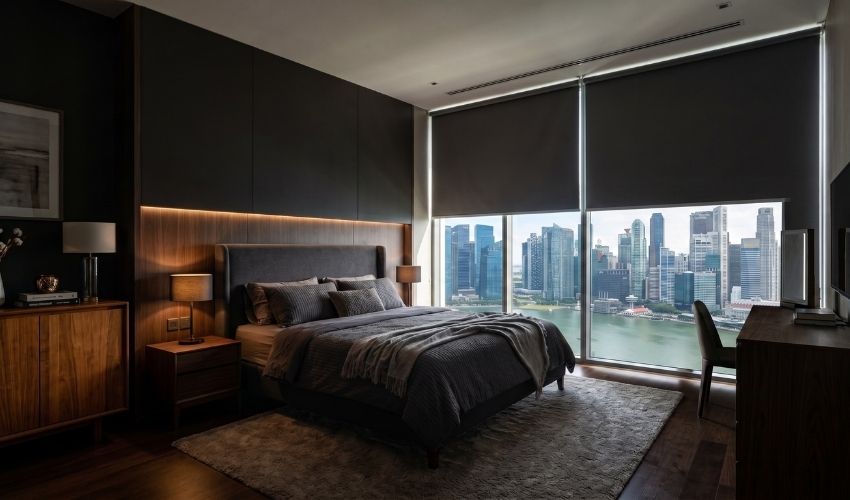
Dim-out fabrics reduce a substantial amount of light without necessarily making a room completely dark. They suit bedrooms, TV areas, and spaces that receive strong afternoon sun but still benefit from a softer daytime atmosphere.
They can also make a room feel more settled. A pale fabric will still contribute to a light, airy look, while charcoal, taupe, or deeper neutral shades can create more visual depth. The right color is not only about matching walls or flooring. Consider how it will look with daylight passing through it and with the room lights switched on at night.
Blackout fabrics for stronger darkness
Blackout fabric is designed to prevent light passing through the fabric itself. However, a standard roller blind does not necessarily make the entire room completely dark. Small gaps can remain around the sides, top or bottom depending on the mounting position and window construction.
Small gaps can remain at the sides, top, or bottom of a standard roller blind. This is normal and allows the system to operate properly. If near-total darkness is the goal, discuss the window shape, mounting position, and whether a recess or outside mount will reduce light leakage most effectively. A blackout fabric alone does not guarantee a pitch-dark room.
Fit is what makes a blind look finished
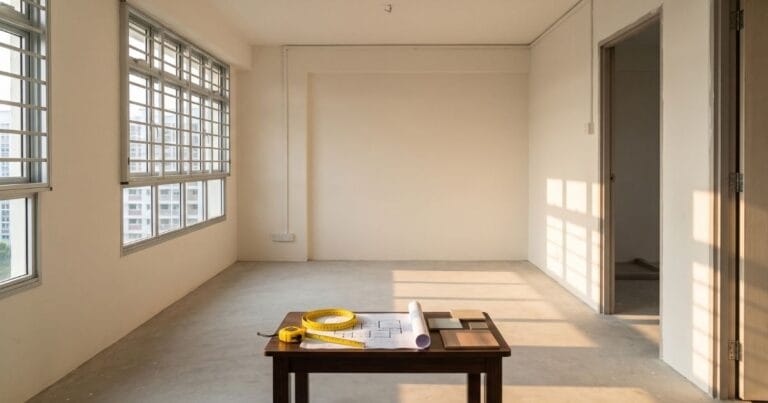
A fabric can be excellent, yet a poorly measured blind will still look out of place. Windows are not always perfectly square, recesses can have handles or uneven tiles, and curtain tracks or air-conditioning ledges may affect where brackets can be fixed.
An inside mount places the blind within the window recess for a neat, contained appearance. It is often suitable when the recess has enough depth and the window can still open comfortably. An outside mount sits above or beyond the recess, covering more of the surrounding wall area. This can provide better coverage and is useful when a recess is shallow or irregular.
For wide windows, careful measurement becomes even more important. A system may need separate blinds rather than one large panel, depending on fabric width, operating weight, window divisions, and the preferred look. Separate blinds offer more flexible control of light across the window, though their center gap should be planned thoughtfully.
This is where an on-site conversation earns its value. A good installer does more than record width and height. They look at how the room is used, where the sun falls, what sits near the window, and how the blind will be operated day after day.
Manual or motorized operation?
A manual chain control is dependable, straightforward, and well suited to many everyday windows. It gives precise adjustment and can be an economical choice for bedrooms, kitchens, and smaller openings. Chain tension devices should be fitted properly, especially in homes with young children, so the chain stays controlled and tidy.
Motorized roller blinds are worth considering for tall windows, hard-to-reach glazing, and rooms with several blinds used at the same time. With the touch of a remote or switch, you can lower shades before the afternoon sun reaches the room or raise them together in the morning. For homeowners building a connected home, motorization can also be planned alongside other smart-home features.
The better option is not automatically the more advanced one. If a blind will be adjusted occasionally and is easy to reach, manual control may be all you need. If daily routines involve multiple large windows, motorization can make comfort easier to maintain rather than something you keep meaning to do.
Details that shape everyday comfort
The fabric is central, but the finishing details matter too. A bottom bar gives the blind weight and a clean lower edge. Brackets and control components can be selected to suit the interior, while a cassette or pelmet may be considered when you prefer to conceal the rolled fabric at the top.
Care is refreshingly simple. Regular dusting with a soft brush attachment or a dry microfiber cloth will usually keep roller blind fabrics looking fresh. For isolated marks, follow the fabric supplier’s care guidance and avoid harsh cleaners or excessive soaking. Moisture-prone spaces may require materials selected specifically for their conditions.
For commercial settings, practical details are even more visible. Offices need glare management without turning workspaces gloomy. Meeting rooms need privacy at the right moments. Retail and hospitality spaces need finishes that support the interior concept while standing up to regular use. Consistent measurements and installation coordination help keep these projects moving without unnecessary disruption.
A better starting point than a color sample
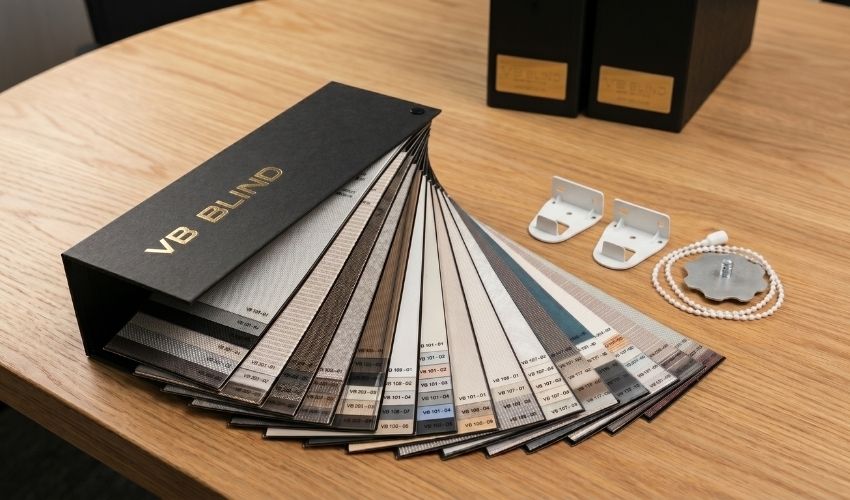
It is tempting to choose a blind by holding a small swatch against a wall. Color matters, but start by standing near the window at the time it causes the most trouble. Notice whether the issue is heat, glare, overlooking neighbors, early-morning brightness, or a lack of softness in the room.
Then consider the whole window, not just the fabric. Ask how far the blind should cover, whether the window needs frequent access, and who will operate it. A custom solution should feel easy from the first pull or button press, not merely look good on installation day.
At VB Blind, that practical approach is shaped by more than 20 years of measuring, fabricating, and installing blinds for homes and businesses. The aim is simple: provide clear advice, careful workmanship, and a window treatment that serves the spaces you live and work in.
The most satisfying roller blinds are rarely the ones you notice first. They are the ones that quietly take the edge off the afternoon sun, give your family privacy when it matters, and let the room feel like itself again.