What a Professional Blind Installation Service Does
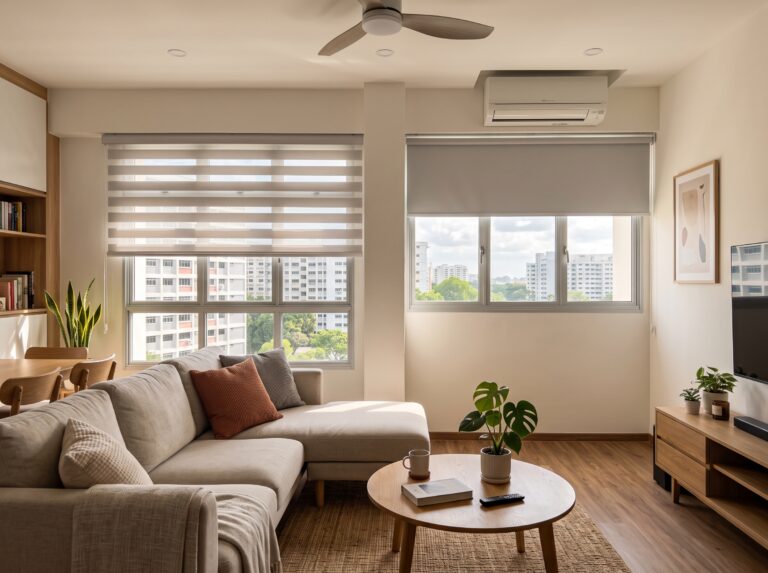
A blind that looks right in a showroom can feel completely different once it is fitted to a real window. A gap that lets in the early sun, a roller that does not sit level, or a bracket fixed in the wrong place can change the comfort of a bedroom, living room, office, or balcony. A professional blind installation service is not simply the final step after choosing a fabric. It is the work that makes custom shading perform as it should – day after day.
For homes and workplaces in Singapore, that performance matters. Strong daylight, heat, close neighboring windows, and changing privacy needs all call for a solution that is measured carefully and installed with care. The right blind can soften a bright afternoon, create a darker room for rest, reduce screen glare, or make an outdoor space more pleasant to use.
Why fitting matters as much as the blind itself
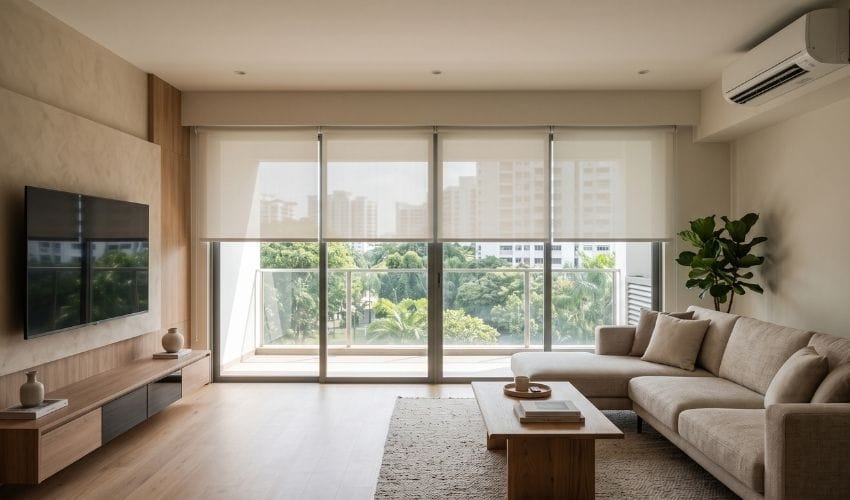
Custom blinds are designed around the opening, not the other way around. That sounds straightforward, but windows are rarely as simple as they appear. Frames may be uneven, walls may have concealed services, and an existing curtain track, pelmet, handle, or grille can affect where a blind can sit and how it operates.
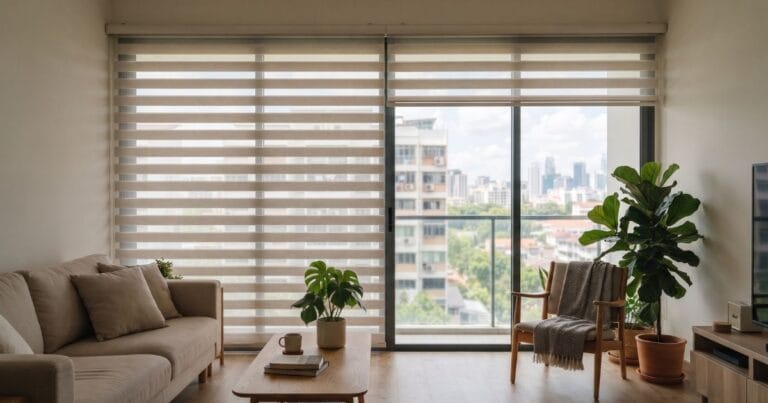
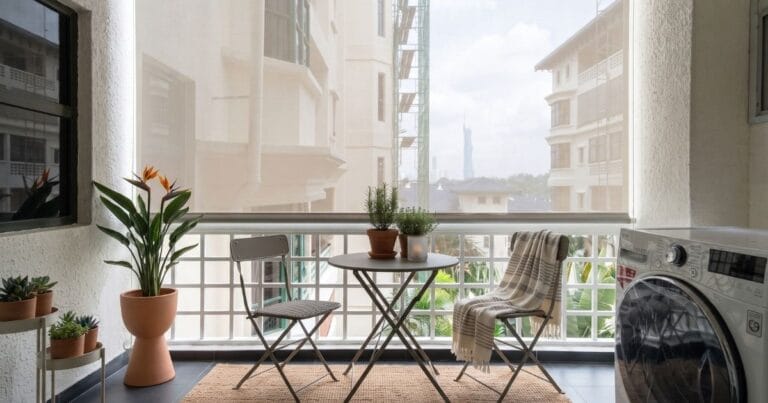
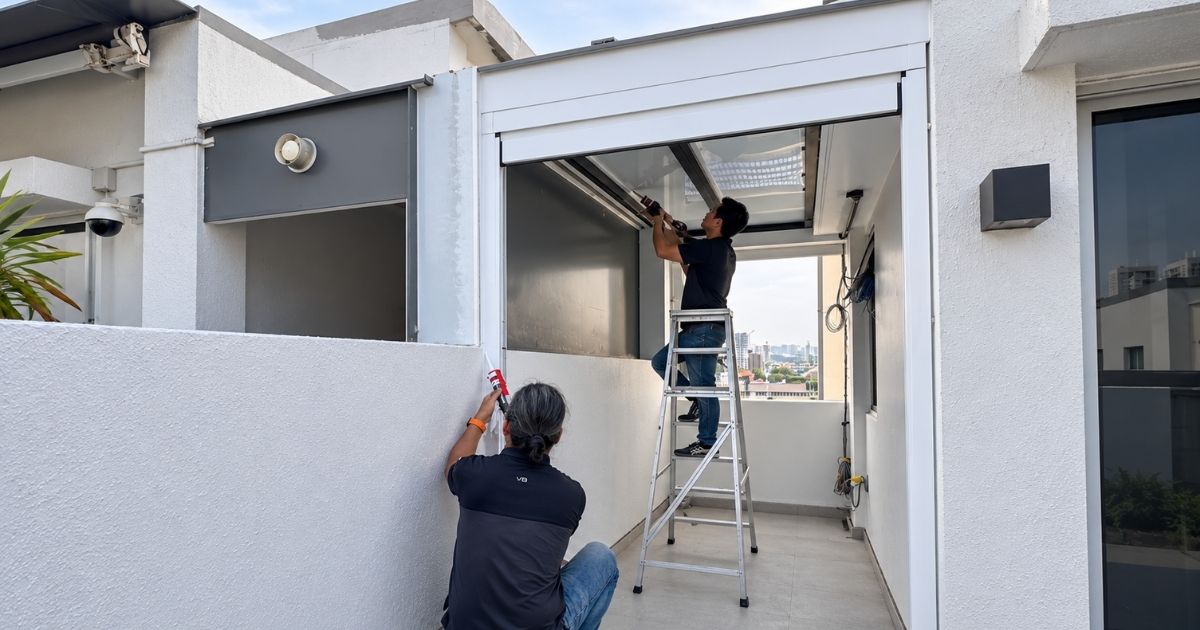
A properly fitted roller blind, Korean blind, shadow blind, or Trishade blind should open and close smoothly without scraping the frame or leaving unnecessary gaps. For outdoor blinds and ZipScreen motorized outdoor screens, accurate fixing points are even more important. The screen needs to remain stable while helping to manage sun, wind, insects, and privacy at a balcony, patio, or outdoor seating area.
There is also a visual difference. When brackets are level, fabric is aligned, and the blind is positioned intentionally, the window treatment feels like part of the room rather than an afterthought. This clean finish is especially valuable in compact apartments, where every line in the space is more noticeable.
What a professional blind installation service includes
The best experience starts before installation day. It begins with a conversation about how the space is used. A homeowner may want a bedroom that feels darker in the morning, a living area with softened daylight, or privacy without losing the sense of openness. A business may need glare control for meeting rooms, a consistent appearance across several windows, or dependable installation coordination during a renovation.
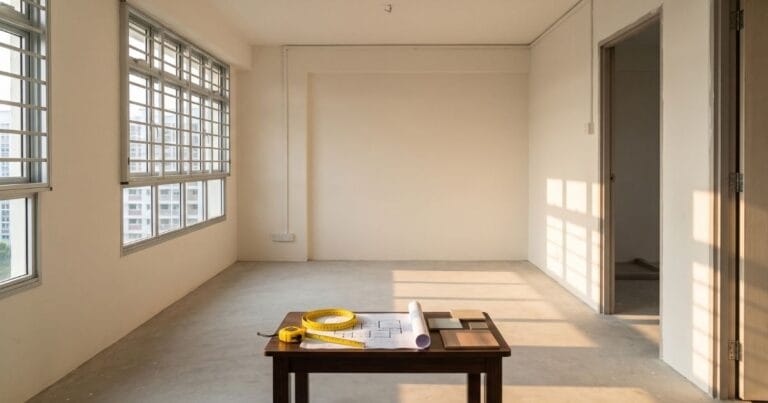
From there, the installer assesses the site and takes detailed measurements. This is more than measuring width and height. The team considers the window frame, mounting surface, window handles, air-conditioning ledges, electrical points, clearance for doors, and the direction of sunlight. If the blind will be motorized, they also consider power access and how the controls will fit into daily use.
Product selection follows the same practical approach. A blackout roller blind may suit a bedroom, while a light-filtering fabric can make a family room feel calmer without closing it off. Korean blinds offer flexible light control through alternating sheer and opaque panels. Outdoor shading may be the better answer for a hot, exposed balcony, but the final choice depends on the available structure, the amount of weather exposure, and the level of enclosure desired.
Once the product is made to size, installation should be organized and efficient. The team confirms positioning, protects the work area where needed, fixes the hardware securely, and tests every blind. Motorized systems should be checked for smooth movement and control response. The handover should be just as clear: customers should know how to operate the blind, how to clean it, and whom to contact if adjustment or future support is needed.
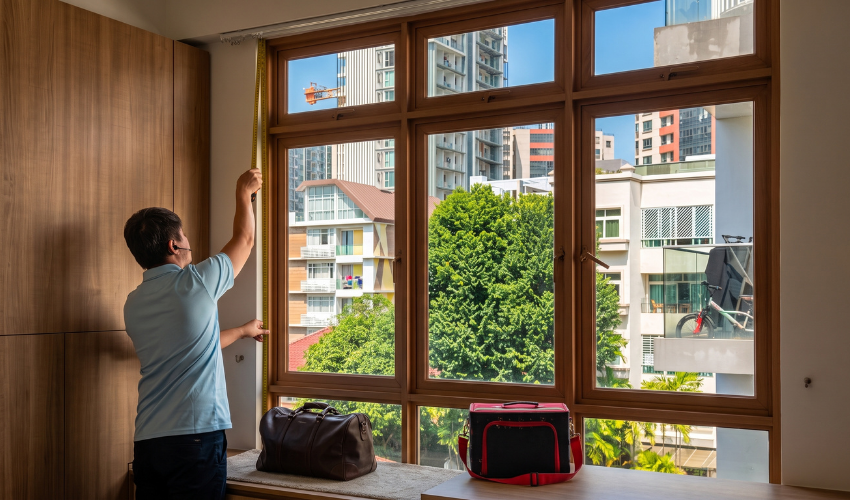
The difference between measuring and planning
Two windows can share the same dimensions and still require different installation plans. One may have a deep recess suitable for an inside mount. Another may need to be mounted outside the frame to cover the opening properly or avoid an obstruction. Neither option is automatically better.
An inside mount can look neat and architectural when the recess is deep and square enough. It preserves more of the wall area and can work beautifully with a clean, minimalist interior. However, it may allow small edges of light around the fabric, particularly if the window is not perfectly even.
An outside mount can provide broader coverage and often helps improve privacy or room darkening. It may be the more practical choice when there are shallow recesses, protruding handles, or uneven frames. The trade-off is that it needs sufficient wall or ceiling space and must be planned around nearby doors, cabinetry, and curtain tracks.
A hands-on installer explains these choices in plain language rather than pushing one solution for every room. Good advice helps customers make decisions based on comfort, appearance, and everyday function.
Common issues a skilled installer helps prevent
DIY installation can be tempting, especially for a single small window. Yet custom blinds need accurate drilling, sound fixing surfaces, level alignment, and a clear understanding of the product mechanism. A mistake may mean extra holes in the wall, damaged fabric, poor coverage, or a blind that cannot operate properly.
Professional installation helps prevent problems such as uneven brackets, loose anchors, fabric rubbing against the frame, blinds obstructing window handles, and control chains placed where they are inconvenient or unsafe. In family homes, child-safety considerations for operating chains and cords should also be discussed during planning.
For motorized blinds, the details become more technical. The system needs appropriate power planning, reliable mounting, proper limits, and careful testing. It is worth taking the time to get these elements right because a motorized blind is meant to make daily life easier, not add another item to troubleshoot.
What to look for before choosing an installer
Price matters, but it should not be the only comparison. A low initial quote can be less reassuring if it does not include proper measurement, clear material specifications, installation, or after-service support. Ask what is included and how the company handles adjustments, replacement, or reinstallation when a space is renovated.
Experience across different property types is useful too. HDB apartments, condominiums, landed homes, offices, and retail spaces each present different site conditions. An installer who regularly works in these environments is more likely to anticipate access requirements, scheduling needs, and practical constraints before they become delays.
It also helps to choose a provider that controls the process closely, from measurement through fabrication and fitting. At VB Blind, in-house manufacturing supports made-to-measure work and gives the team direct responsibility for the fit, materials, and finished result. After more than 20 years and 50,000 projects, the focus remains simple: listen carefully, advise honestly, and install with workmanship that customers can live with comfortably.
Preparing your space for installation day
Most installations are straightforward, and a little preparation keeps the visit smooth. Clear nearby furniture and fragile items where possible, especially around the window area. Let the team know in advance about building access procedures, parking restrictions, pets, or renovation work that may affect the schedule.
If you have particular concerns, raise them before drilling begins. Perhaps you want the blind to clear a window handle, prefer a higher mounting position, or need to retain access to a balcony door. These details are easier to address during the site discussion than after the blind is already fixed.
After installation, operate the blinds gently and according to the instructions provided. Regular light dusting is often enough for indoor blinds, while outdoor screens may need occasional cleaning to remove dust and debris. If a blind starts to run unevenly or feels unusual, seeking support early can prevent a small adjustment from becoming a larger repair.
The value of professional fitting is felt in quiet, ordinary moments: a cooler afternoon by the window, a private family dinner, a glare-free work call, or a balcony made more inviting as the sun shifts. The right blind begins with the right product, but it earns its place in the room through careful measurement, thoughtful planning, and installation done by people who take pride in the finish.